Dining Table Protector Pad | Material Selection & Maintenance Tips
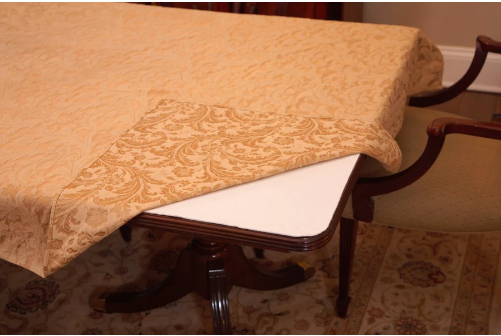
A dining table protector pad serves a dual purpose: safeguarding your valuable table from scratches, heat, spills, and other potential damage while also enhancing the aesthetic appeal of your dining space. Much like couch cushion support enhances the longevity and comfort of your sofa, a well-chosen dining table protector pad is essential for maintaining the beauty and integrity of your dining table. Here’s a guide on material selection for your dining table protector pad and tips for its maintenance.
Material Selection for Dining Table Protector Pads
1. Vinyl Pads
Vinyl protector pads are waterproof, durable, and easy to clean, making them a popular choice for families with young children. They often come with a felt backing to prevent slipping and to add a layer of cushioning.
2. Felt Pads
Felt pads offer a soft layer of protection that is ideal for delicate surfaces that are prone to scratches. While they provide excellent protection against dings and nicks, they are not waterproof and are best for tables that aren't exposed to a lot of moisture.
3. Leather Pads
Leather dining table protector pads add a touch of elegance and sophistication to your dining area. They are durable and offer reasonable protection against spills if wiped up promptly. However, they can be on the pricier side and require regular maintenance to keep the leather looking its best.
4. Silicone Pads
Silicone pads are heat-resistant, waterproof, and easy to clean, making them ideal for protecting your table from hot dishes and spills. They are flexible and can be rolled up for storage when not in use.
5. Glass Pads
Custom-cut glass pads provide a high level of protection while allowing the beauty of your dining table to shine through. They are waterproof, heat-resistant, and easy to clean but can be heavy and require careful handling to prevent chipping.
Maintenance Tips for Dining Table Protector Pads
Regular Cleaning
Depending on the material of your dining table protector pad, regular cleaning will ensure it remains in good condition and continues to protect your table effectively. Vinyl, silicone, and glass pads can be wiped down with a damp cloth and mild detergent. Leather pads may require special cleaners and conditioners, while felt pads should be spot-cleaned as needed.
Proper Storage
When not in use, store your protector pad in a cool, dry place to prevent damage. Roll or lay flat depending on the material, and avoid folding, which can cause creases and weaken the pad’s protective qualities.
Avoid Direct Sunlight
Prolonged exposure to direct sunlight can fade and weaken some materials, such as vinyl and leather. Store your pad away from windows or use window treatments to limit sun exposure.
Heat Protection
Even though some materials like silicone and glass are heat-resistant, it’s still wise to use trivets or hot pads under very hot dishes to extend the life of your protector pad and safeguard your table.
Immediate Spill Cleanup
Promptly cleaning up spills, especially on materials that aren’t waterproof, will prevent stains and moisture damage. This is particularly important for felt and leather pads.
In conclusion, selecting the right material for your dining table protector pad is crucial for ensuring your table stays protected against everyday wear and tear. By following these maintenance tips, you can extend the life of both your table and the protector pad, ensuring your dining space remains beautiful and functional for years to come.


